
News
As the summer heatwave sets in, Foton pickup owners should equip themselves with practical knowledge to ensure their vehicles continue to run reliably amidst the high temperatures. This guide offers tips to help you protect your vehicle and ensure a smooth driving experience throughout the summer.
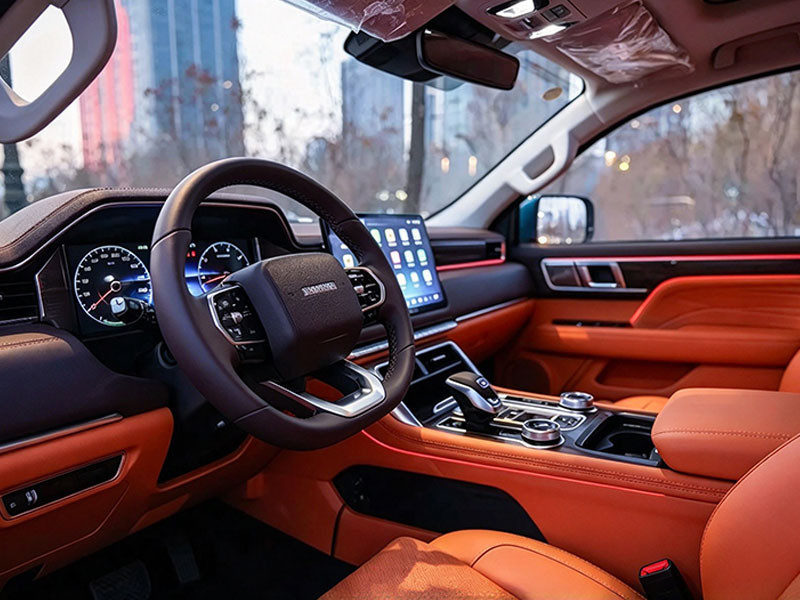
Sun protection isn't just for people; your Foton pickup needs it too. Prolonged exposure to the sun accelerates paint aging and interior fading, while also causing cabin temperatures to skyrocket. Whenever possible, park your vehicle in a garage or a shaded area. If suitable parking isn't available, use sunshades or a car cover. Additionally, applying window tinting film can block UV rays and help keep the interior cooler.
High summer temperatures can cause interior materials to release harmful gases, potentially affecting the health of occupants. Make sure to open the windows frequently to keep the air fresh. You can also use activated charcoal bags or an in-car air purifier to absorb odors and harmful gases. At the same time, avoid leaving flammable or explosive items—such as lighters or perfume—inside the vehicle to prevent hazards caused by the heat.
The braking system is also critical during the summer. High temperatures and frequent braking accelerate the wear of brake pads and discs; therefore, you should regularly check the brake fluid level and quality. If the fluid appears cloudy or falls below the minimum mark, it should be replaced or topped up promptly. Furthermore, water ingress can compromise braking performance, so inspect the system and address any potential issues after driving through deep water.
Summer is also a peak season for insect activity, and small bugs can easily find their way into areas like the engine bay or air conditioning intakes. Regularly inspect the engine bay and clear away any debris or insect remains. Additionally, try to park away from trees and flowerbeds to minimize the risk of insect intrusion.
Navigation
- Essential Summer Driving Guide for Foton Pickup Owners
- Nigerian Client Visits Company to Discuss Partnership and Signs On-Site Purchase Agreement for Two Jetour T2 Rugged Off-Roaders
- Our company has successfully completed the delivery of three Jetour T2 rugged SUVs to a client in Dubai, UAE.
- Brazilian Client Purchases Jetour T2 SUV
- Norwegian Customer Purchases BYD Dolphin in China; Chinese All-Electric Compact Car Makes Strides in Nordic New Energy Market
- Pakistani Auto Dealers Source Jetour Dashing SUVs, Deepening Chinese Brands' Presence in South Asia
Send Us A Message
SUBMIT AN INQUIRY
Fill out the form below to share your requirements with us. Our team will review your message
and respond promptly.